


World First Aid Day 2026 is Saturday, September 12. Every year, this global observance reminds us that first aid isn't just a skill for doctors, nurses, paramedics, or designated workplace first-aiders. It is a skill that can, and should, be accessible to everyone.
When an emergency happens, professional help may be on the way, but the first person able to help is often an ordinary bystander.
Knowing how to call 911, perform CPR, use an AED, or control life-threatening bleeding can give someone a critical chance to survive while emergency responders are still on their way.
Learn more about the goals of World First Aid Day, what skills you should learn to be a prepared citizen, and where to find reliable resources and supplies.
What Is World First Aid Day?
World First Aid Day is observed each year on the second Saturday of September. The International Federation of Red Cross and Red Crescent Societies (IFRC) uses the day to raise awareness about the importance of first aid and encourage people around the world to develop lifesaving skills.
The 2026 theme is “First Aid in Migration Contexts,” highlighting the importance of making first aid knowledge accessible, inclusive, and adaptable to different communities and circumstances.
But the underlying message applies to everyone:
First aid skills belong in the hands of ordinary people, not just medical professionals.
An emergency can happen anywhere: at home, at work, at school, on the road, at a sporting event, or in a crowded public space. When it does, the person standing closest to the victim may be the first, and sometimes only, person capable of providing immediate assistance.
Why First Aid Training Matters
Emergency medical services are an essential part of the response system, but there is inevitably a period between the moment an emergency occurs and the arrival of professional responders.
That is where bystander first aid can make a difference.
First aid training teaches people to recognize an emergency, protect themselves and others, contact emergency services, and provide appropriate assistance until professional medical care arrives.
Some of the most important skills for the public to learn include:
- Recognizing cardiac arrest
- Performing CPR
- Using an automated external defibrillator (AED)
- Recognizing and responding to choking
- Recognizing life-threatening bleeding
- Applying direct pressure to a wound
- Packing a deep wound with gauze
- Applying a tourniquet when appropriate
- Helping protect an injured person from further harm while waiting for EMS
These skills don’t require advanced medical certifications. They are practical emergency-response skills that can be learned through basic training and can make all the difference.

CPR and AEDs: Responding to Cardiac Emergencies
Sudden cardiac arrest is one of the clearest examples of why bystander training matters.
When someone collapses and is not breathing normally, calling 911 and beginning CPR can help maintain circulation until an AED and professional responders are available.
An AED is designed to analyze the heart's rhythm and, when appropriate, deliver an electrical shock to help restore a normal rhythm.
The combination of early recognition, calling for help, CPR, and rapid AED use is an important part of the public response to cardiac arrest.
But cardiac emergencies aren't the only situations where immediate bystander action can save a life.
Severe Bleeding Is Another Time-Critical Emergency
A person suffering from severe external bleeding can lose a dangerous amount of blood very quickly.
The American Heart Association and American Red Cross recommend immediate direct manual pressure for severe external bleeding, with additional bleeding control measures used when appropriate.
The STOP THE BLEED® campaign was created around a simple principle:
Anyone can become an immediate responder.
The goal is to give ordinary people the knowledge and tools necessary to control life-threatening bleeding before professional help arrives.
A person experiencing catastrophic bleeding can potentially bleed to death within minutes. That's why having bleeding control equipment immediately available, and knowing how to use it, is so important.
What Is STOP THE BLEED®?
STOP THE BLEED® is a national public health campaign designed to empower people to recognize and respond to life-threatening bleeding.
The techniques are straightforward, but they need to be performed quickly.
Depending on the injury, bleeding control may involve:
1. Applying direct pressure
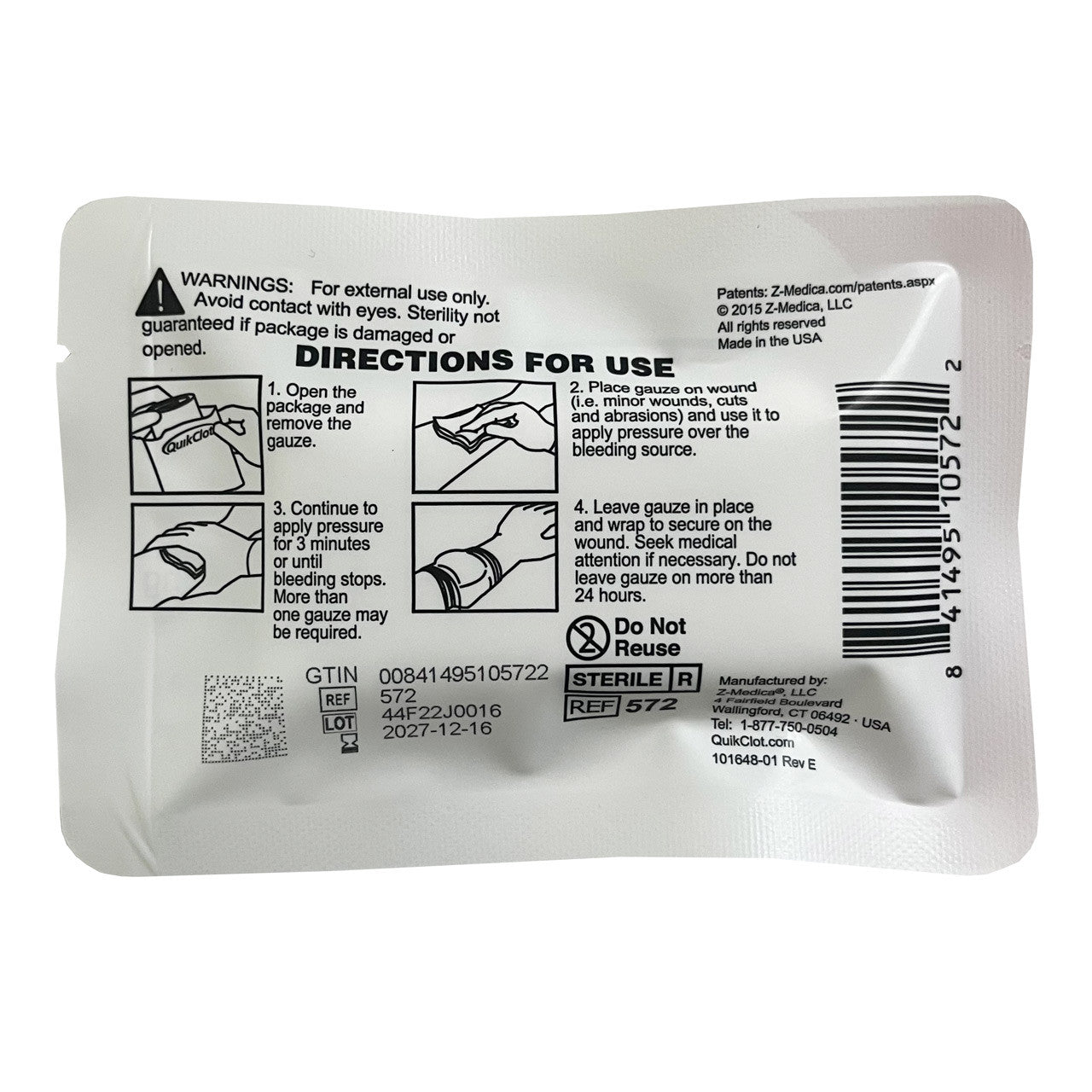
For many bleeding wounds, the first step is applying firm, direct pressure to the wound.
2. Packing a wound
Deep wounds—particularly wounds involving areas where a tourniquet cannot be applied—may require wound packing with gauze followed by sustained pressure.
3. Applying a tourniquet
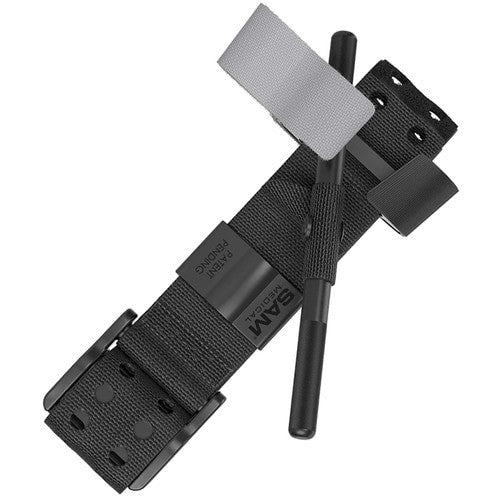
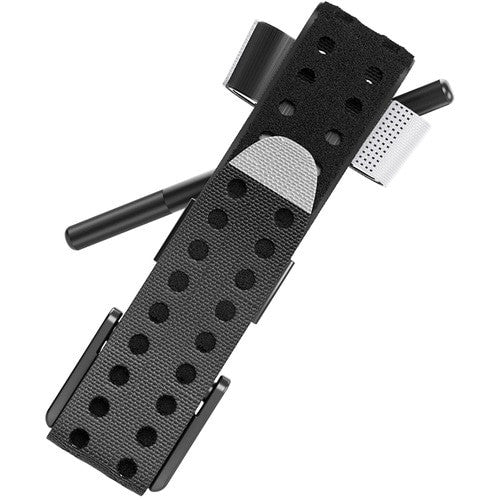
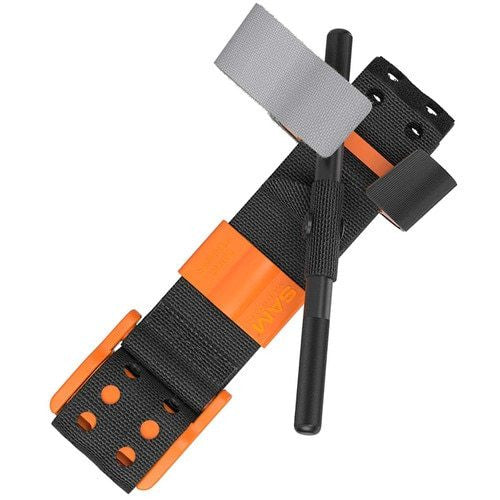
For life-threatening bleeding from an arm or leg, a properly applied tourniquet can rapidly control hemorrhage.
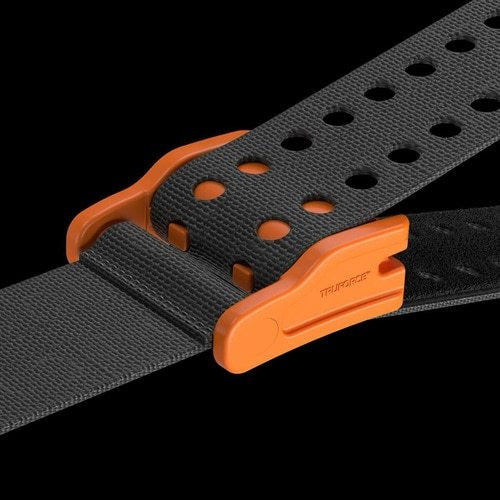
Tourniquets are designed specifically for severe extremity bleeding, are proven to be highly effective. Proper training, practice, and using authentic / recommended tourniquets can be the difference.
4. Maintaining pressure with a pressure dressing
Once bleeding has been controlled, a pressure dressing can help provide an external force, freeing up your hands for other aid or requirements.
The important thing is not simply knowing the names of these techniques and devices. Training gives people the confidence and skills to recognize when and how to respond.
Why Every Emergency Kit Should Include Bleeding Control Supplies
A traditional first aid kit is designed to address everyday injuries such as minor cuts, scrapes, burns, and sprains. A bleeding control kit serves a different purpose.
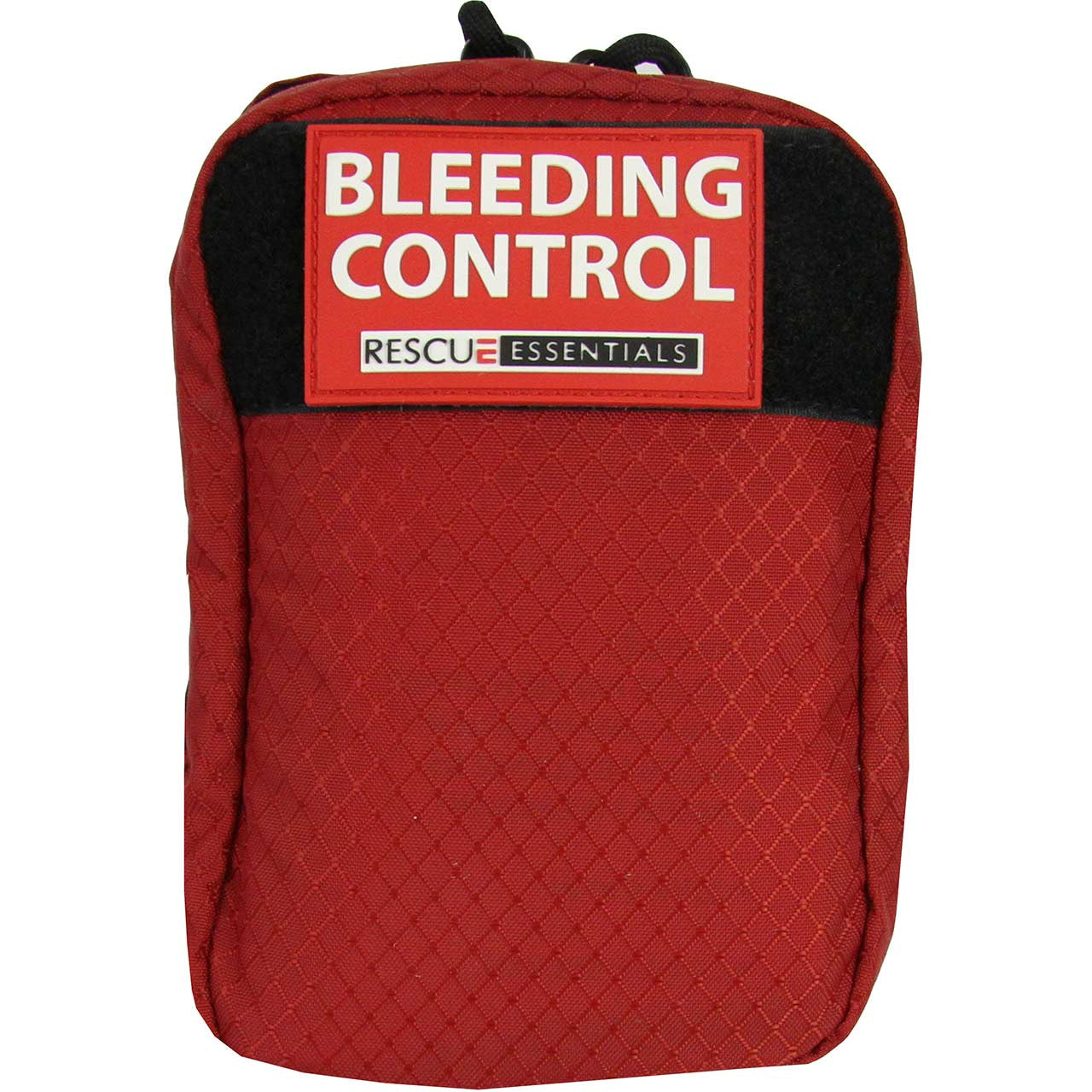
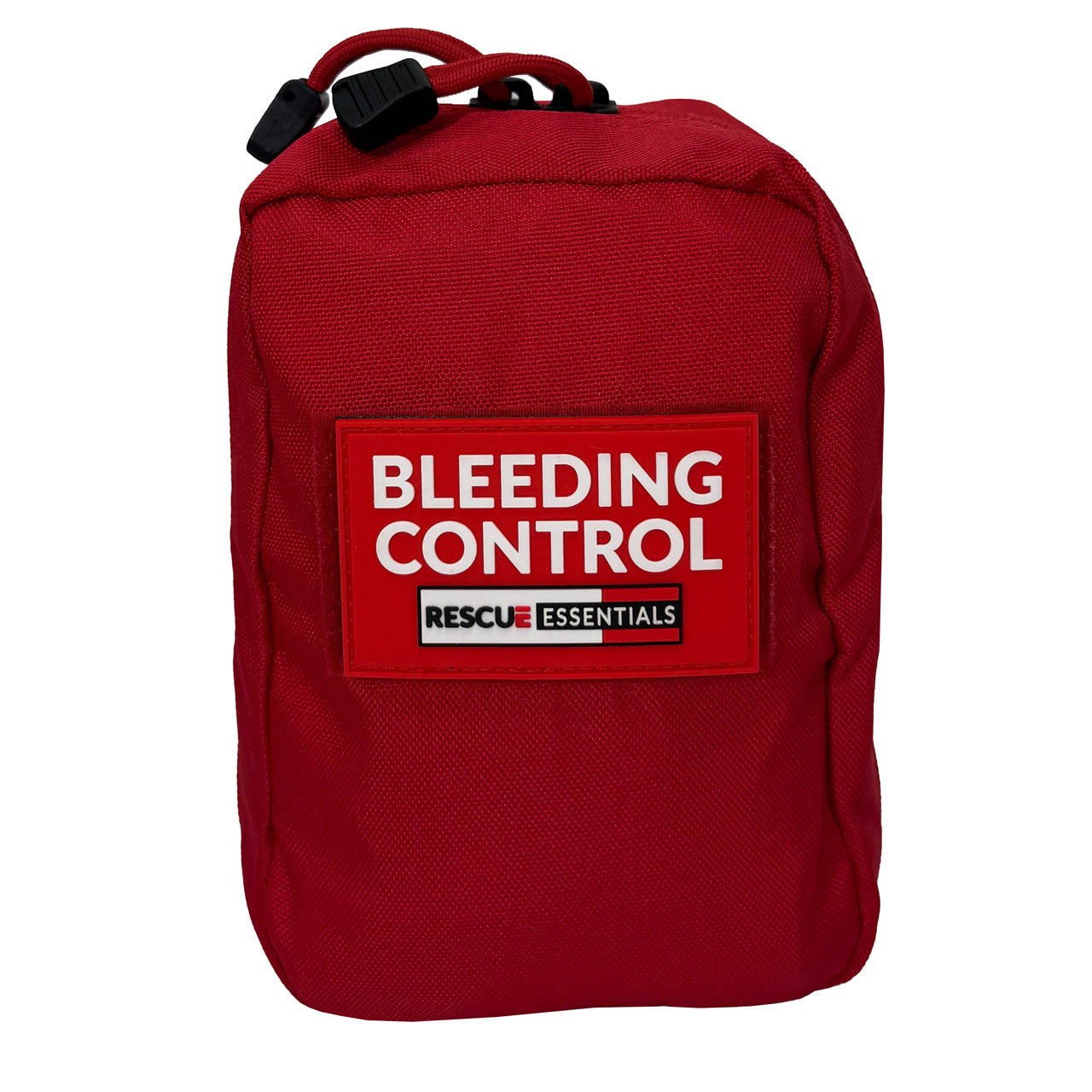
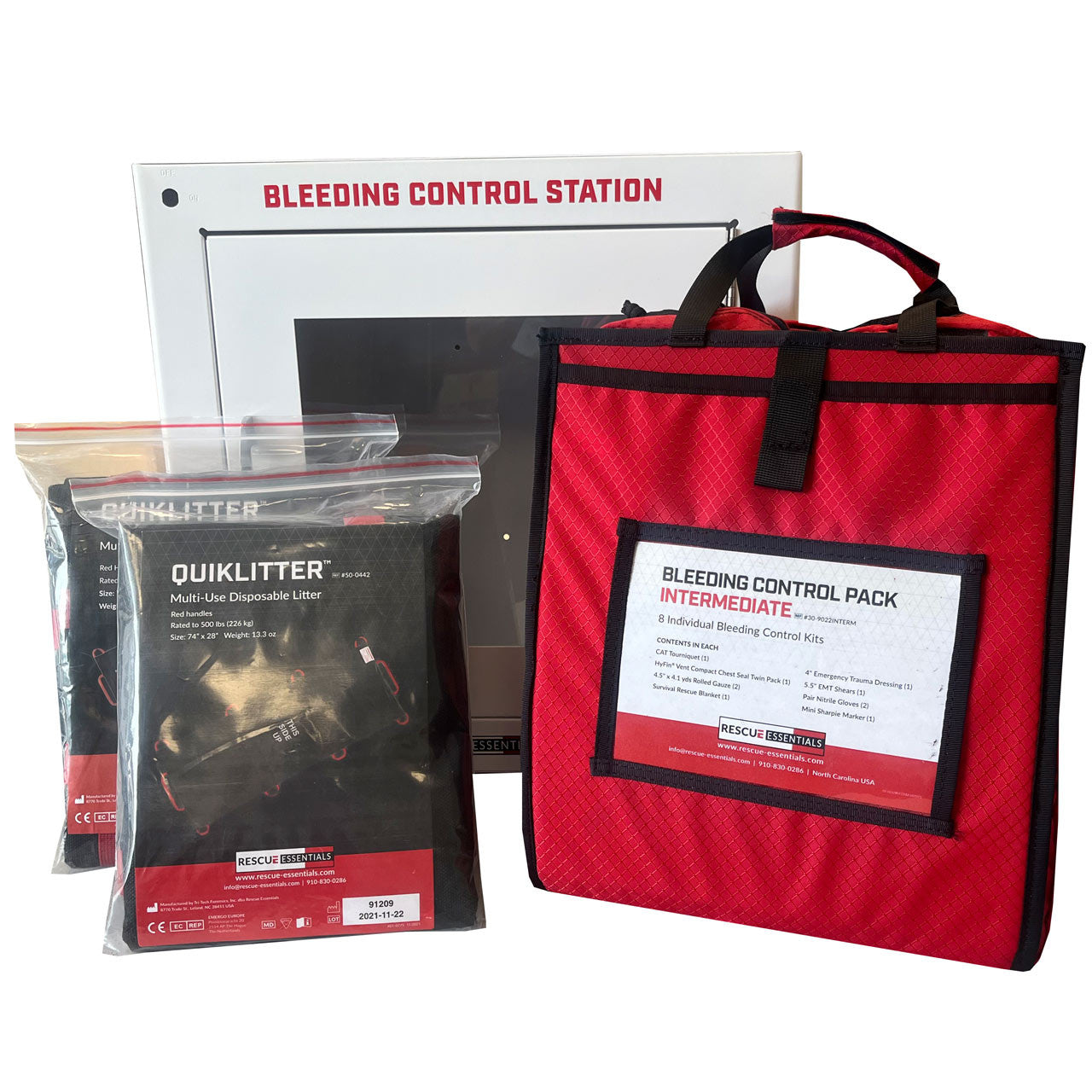
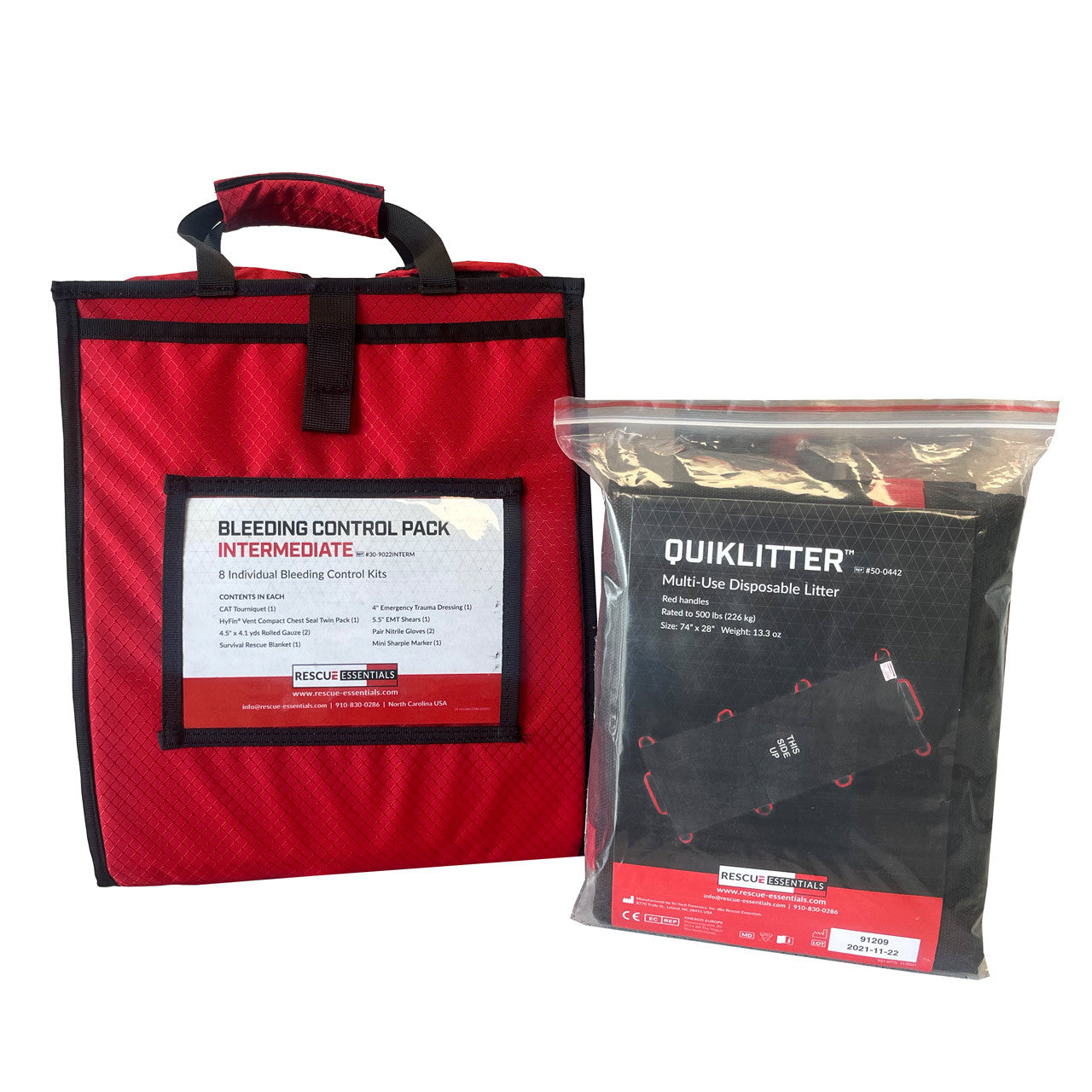
A dedicated STOP THE BLEED® kit puts the equipment needed for a life-threatening bleeding emergency together in one easily accessible package.
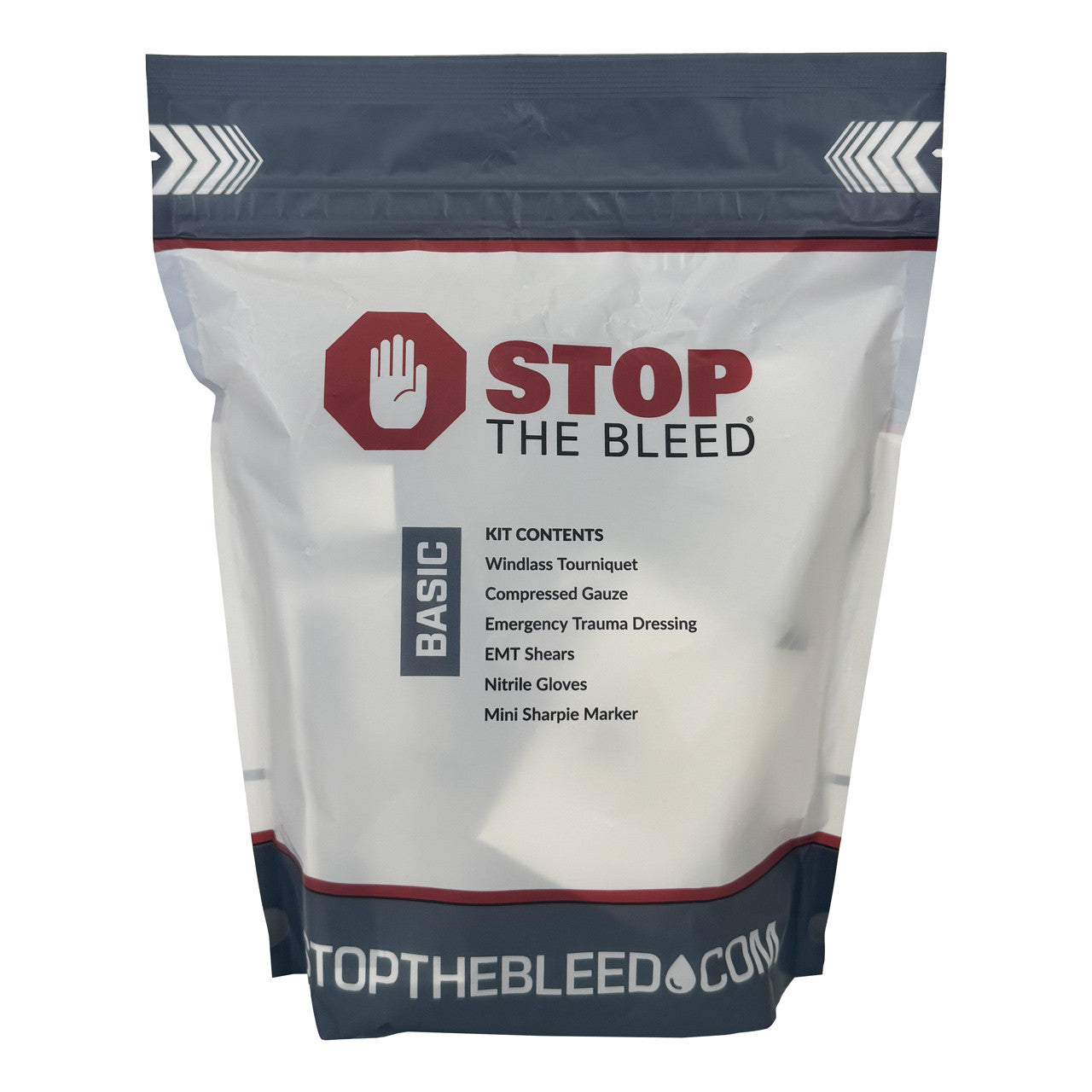
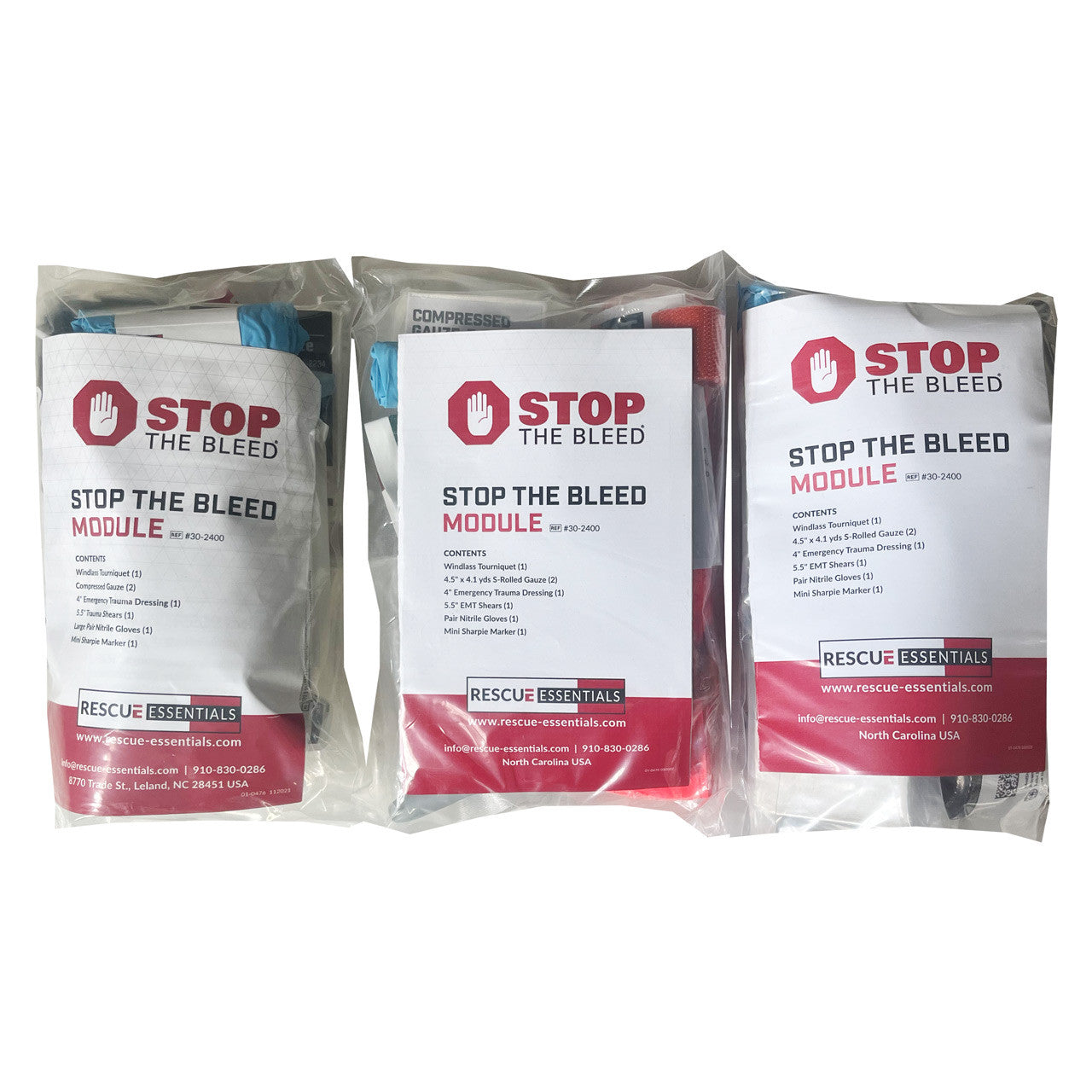
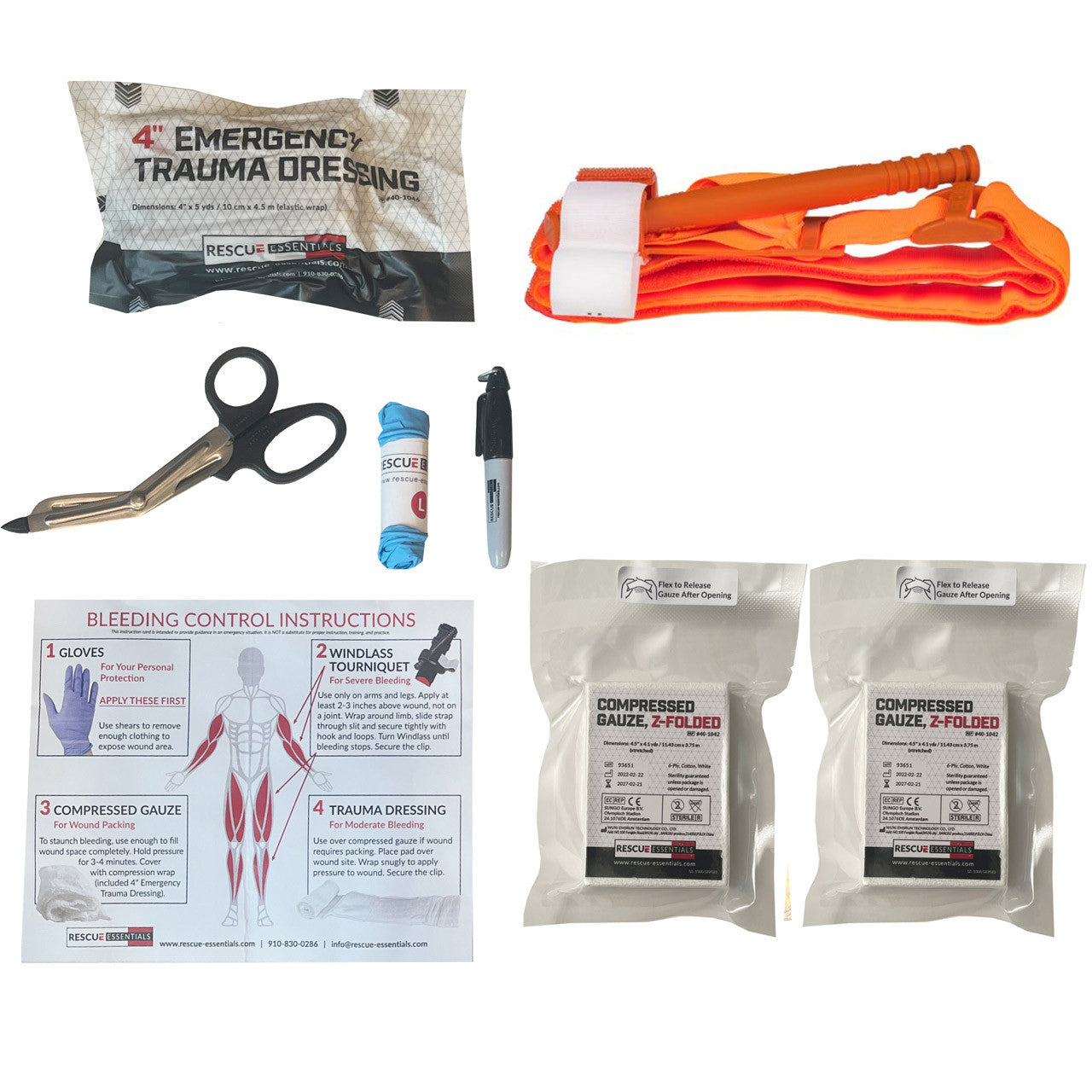
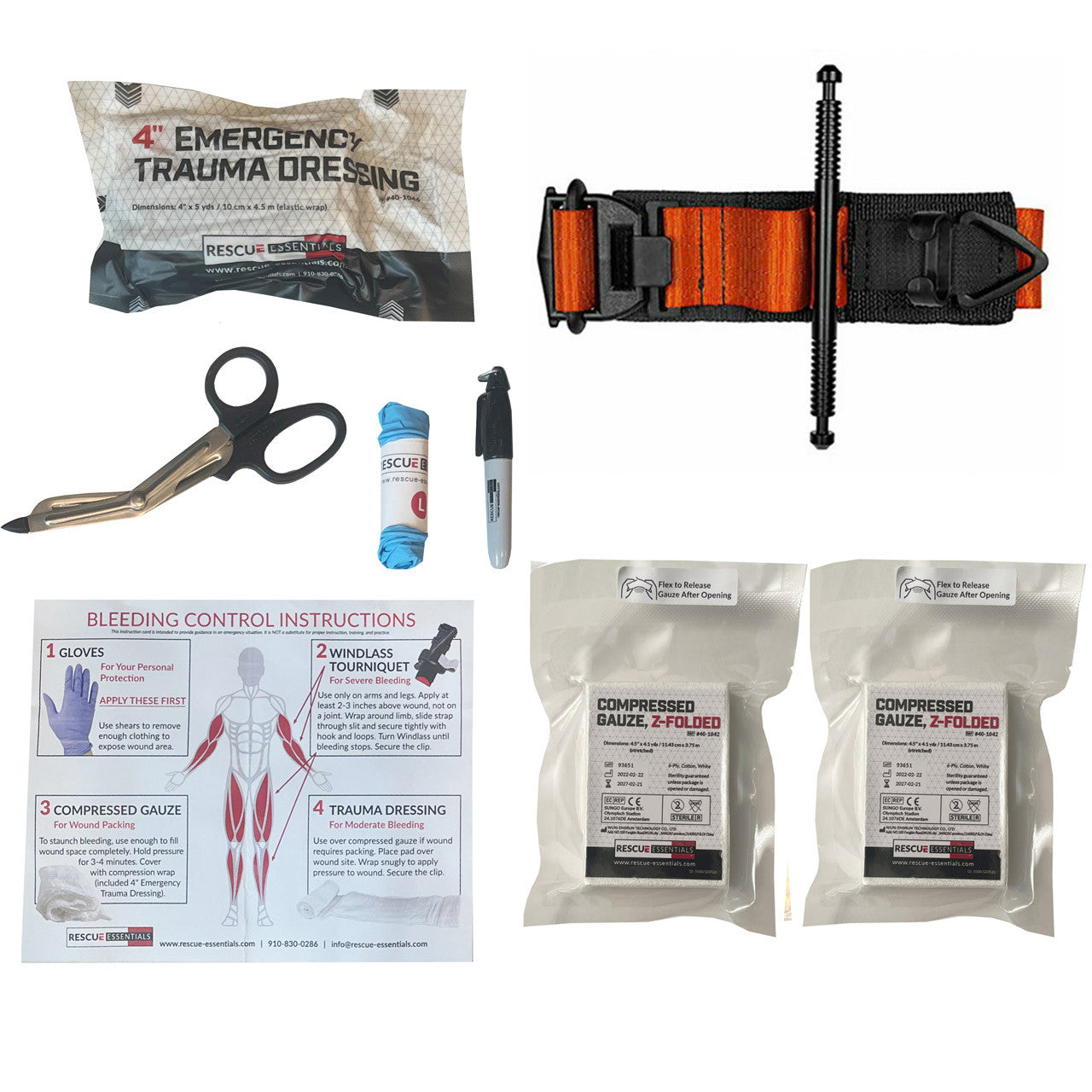
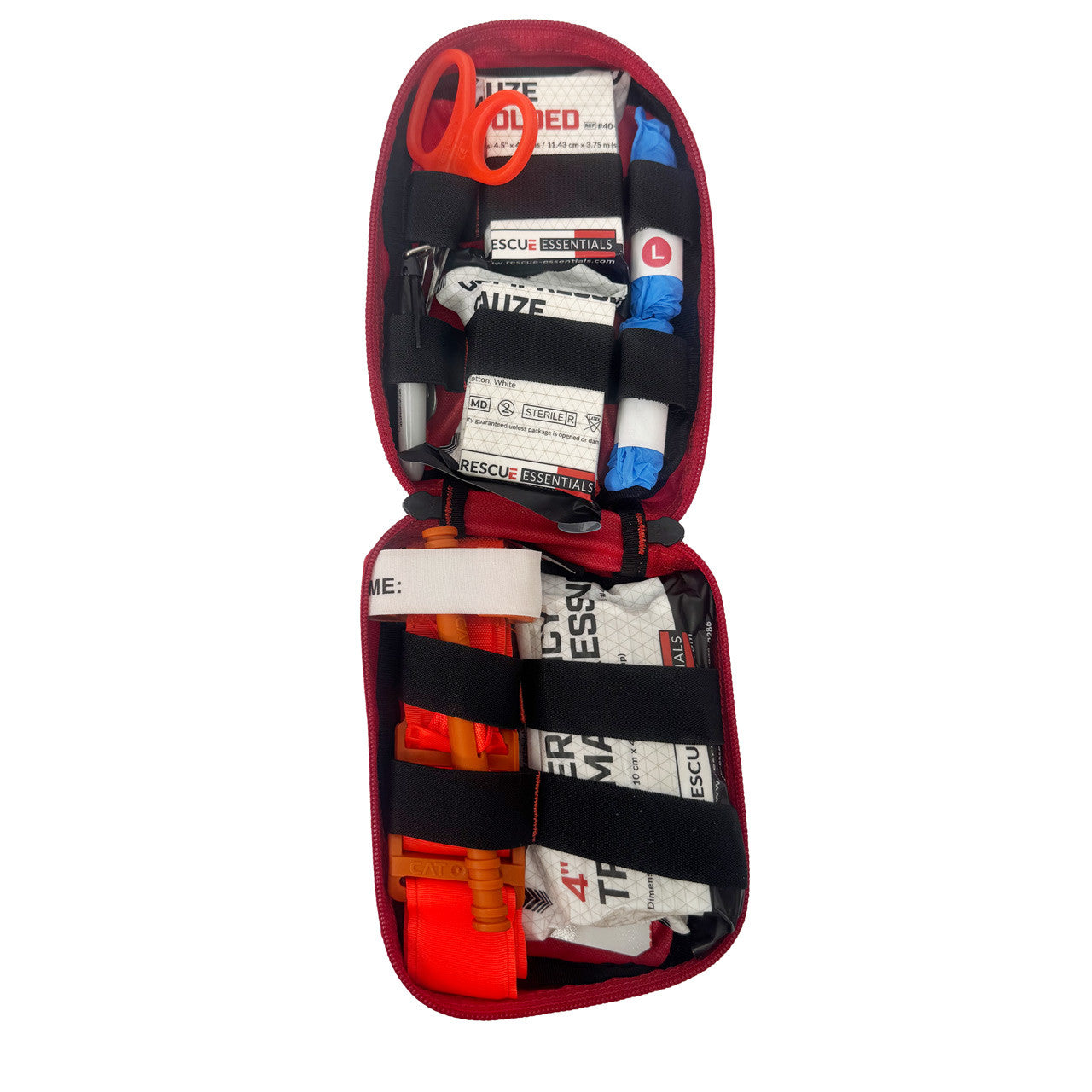
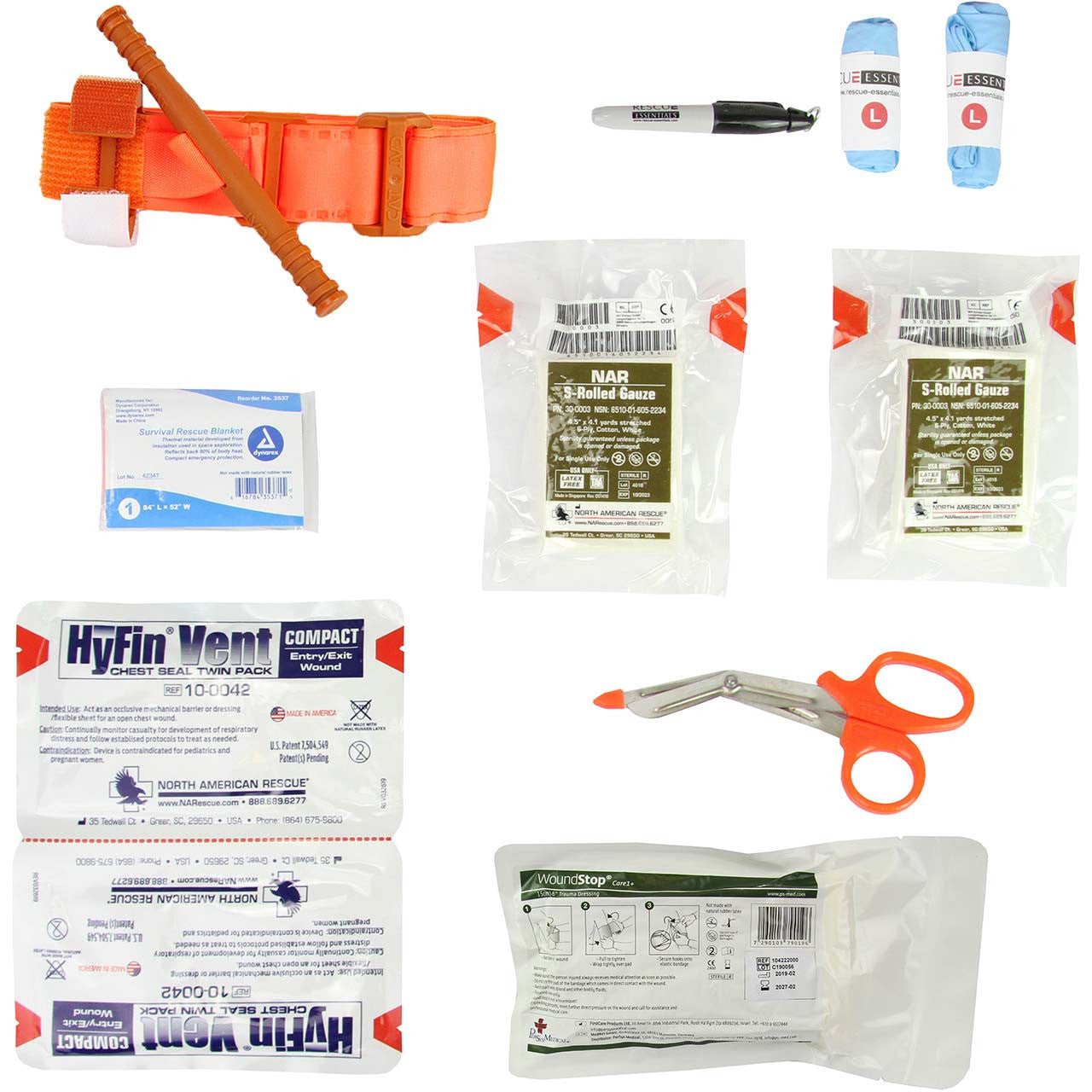
A basic bleeding control kit may include:
- A windlass tourniquet
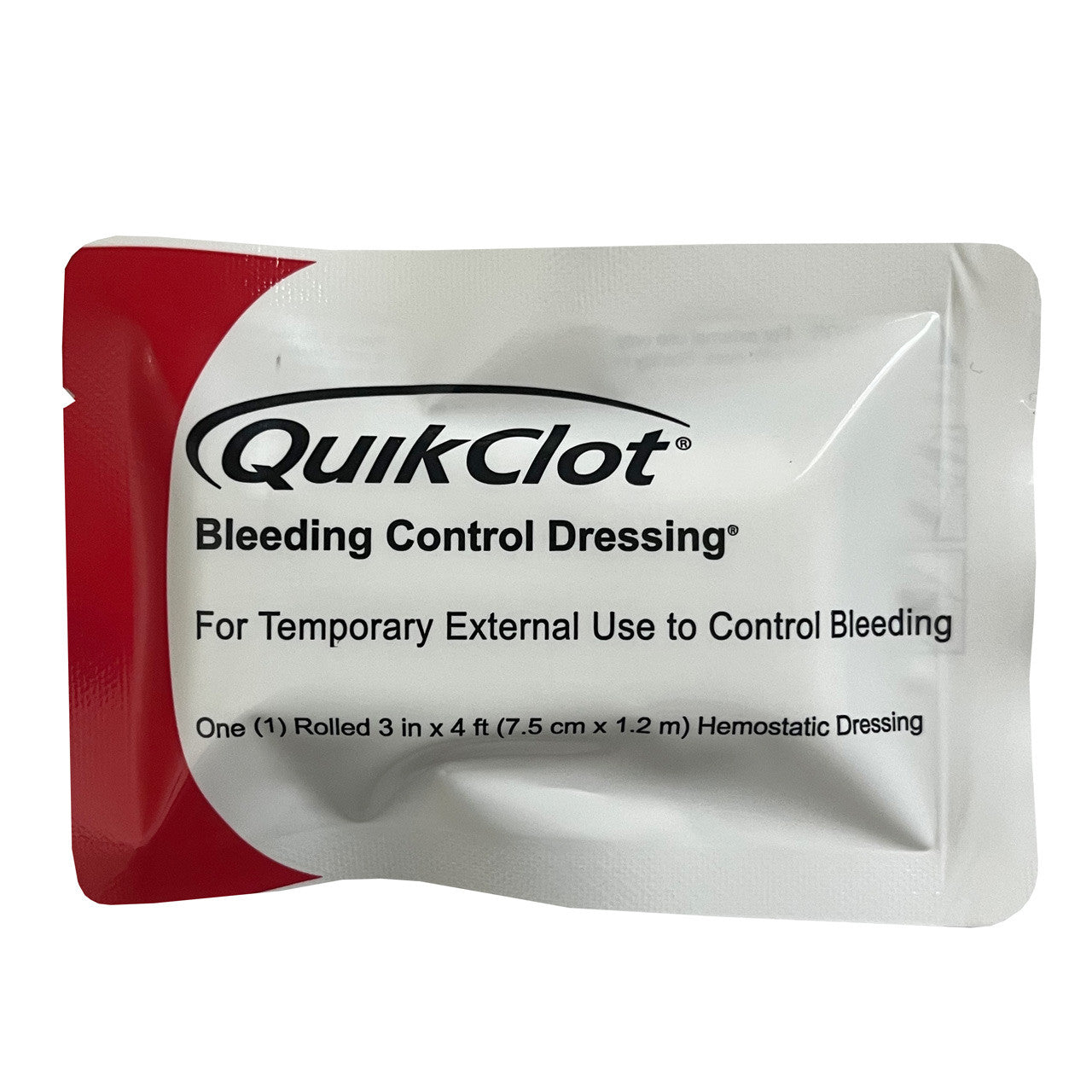
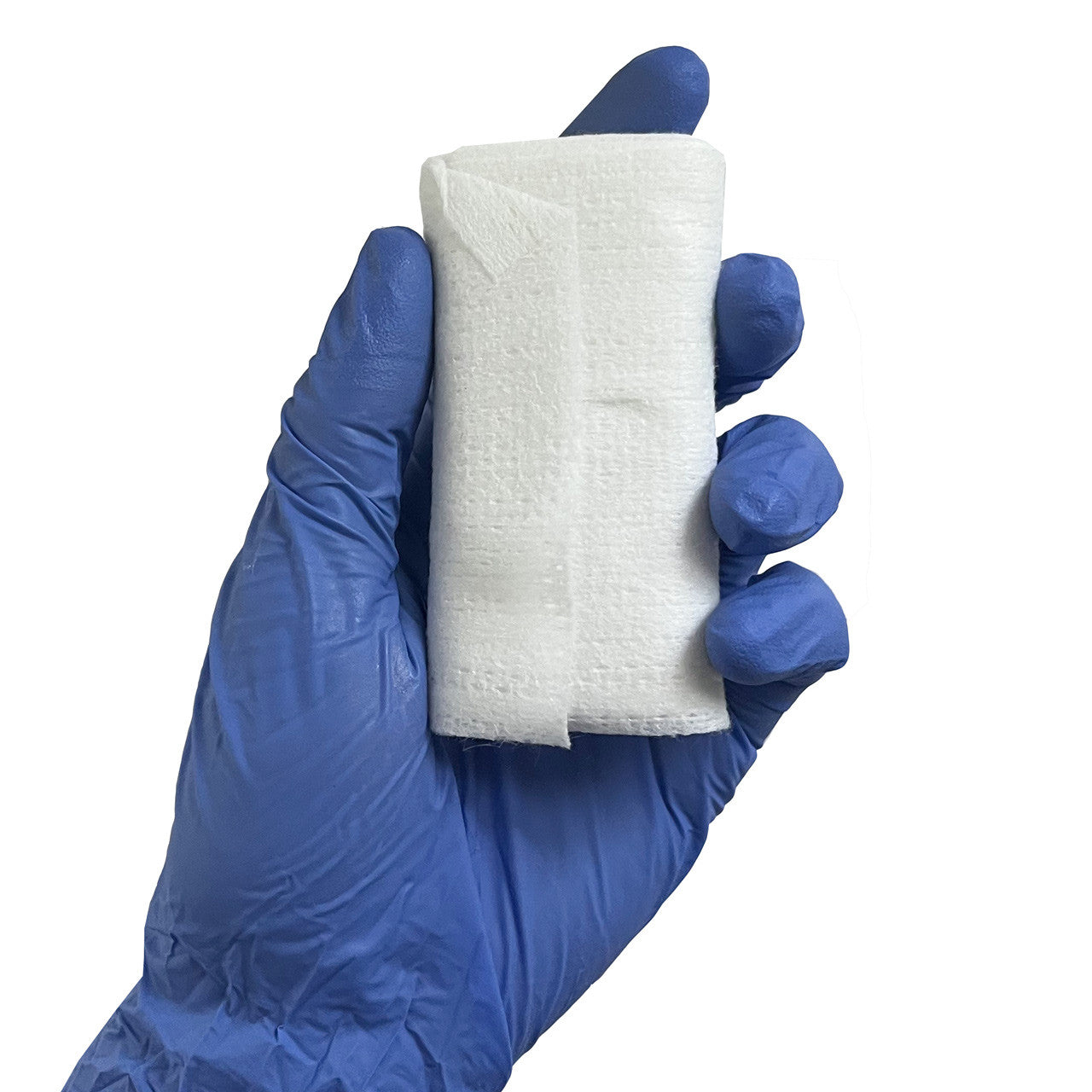
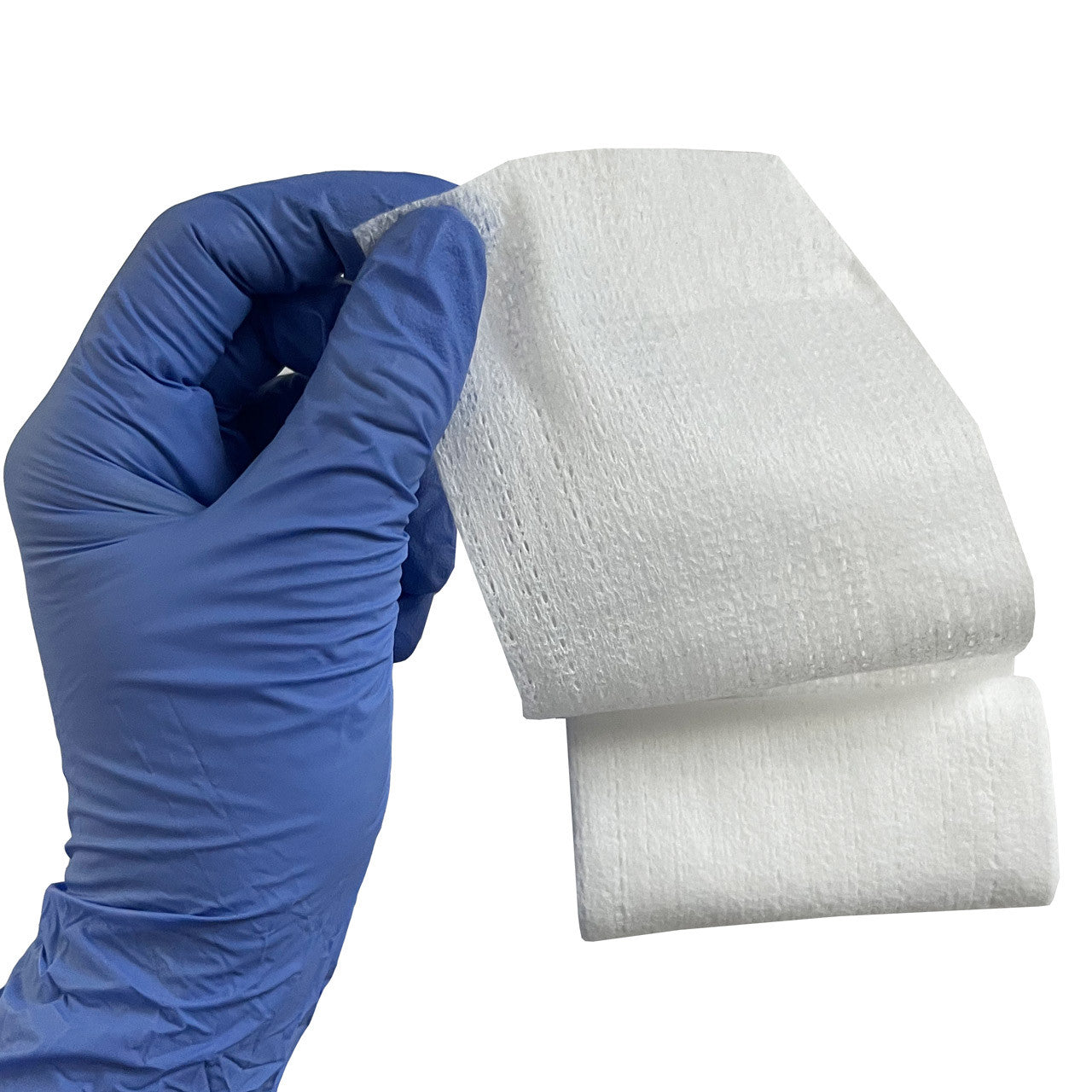
- Compressed gauze
- Emergency trauma dressing
- Trauma shears
- Nitrile gloves
- Permanent marker
- Bleeding control instructions
StopTheBleed.com’s Basic STOP THE BLEED® Kit, for example, is specifically assembled around these core bleeding control supplies and is designed for rapid access during a severe bleeding emergency.
Intermediate and advanced configurations can add equipment such as chest seals, hypothermia blankets, and hemostatic gauze for more complex traumatic injuries.

Where Should Bleeding Control Kits Be Located?
One of the most important principles of emergency preparedness is accessibility.
A bleeding control kit doesn't help if nobody knows where it is, or if it is hard to get to.
Organizations should consider placing bleeding control equipment in locations where it can be quickly identified and accessed, including:
- Schools and universities
- Offices and workplaces
- Manufacturing facilities
- Construction sites
- Houses of worship
- Sports facilities
- Public buildings
- Government facilities
- Transportation hubs
- Event venues
- Security and public-safety locations
- Vehicles and fleet vehicles
- Homes
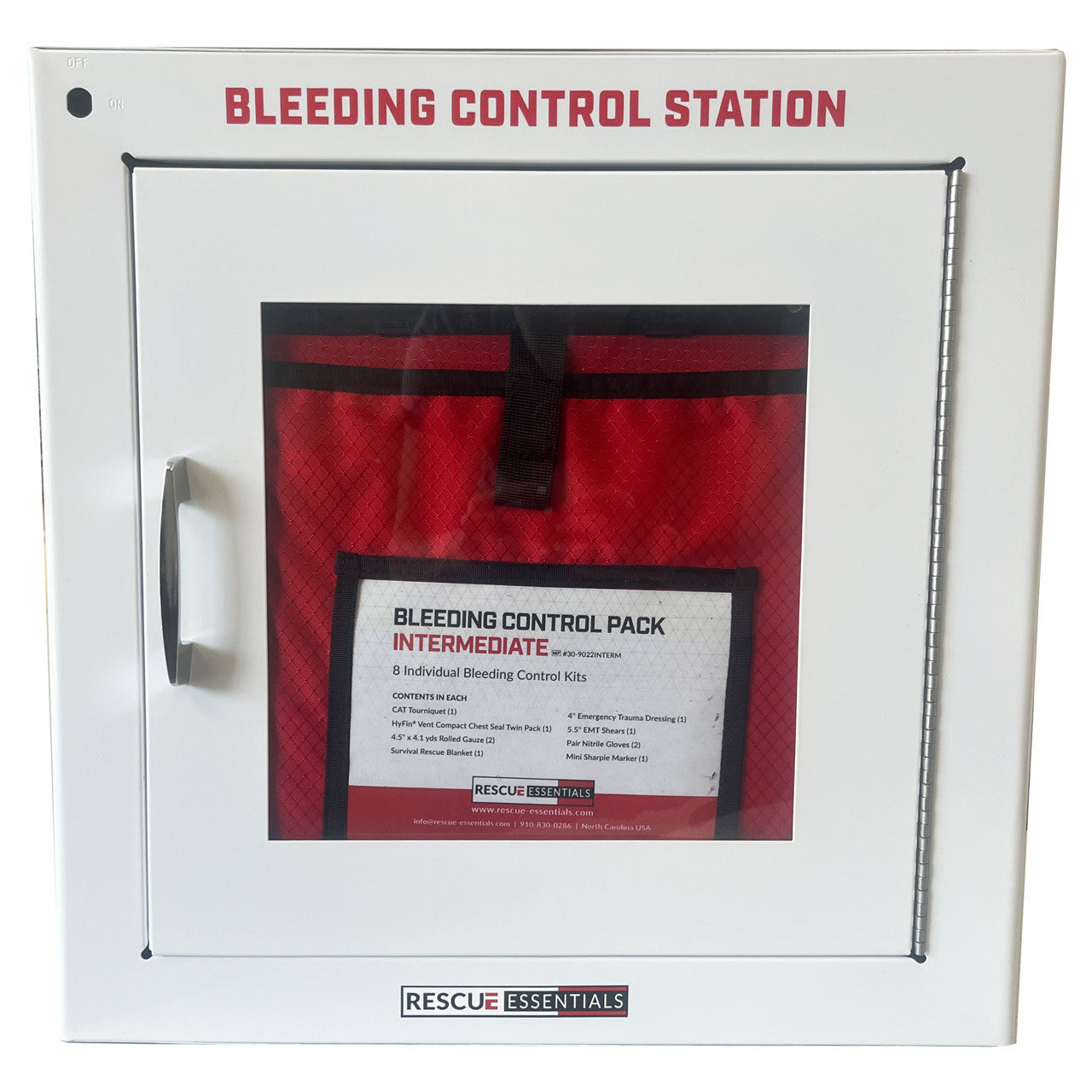
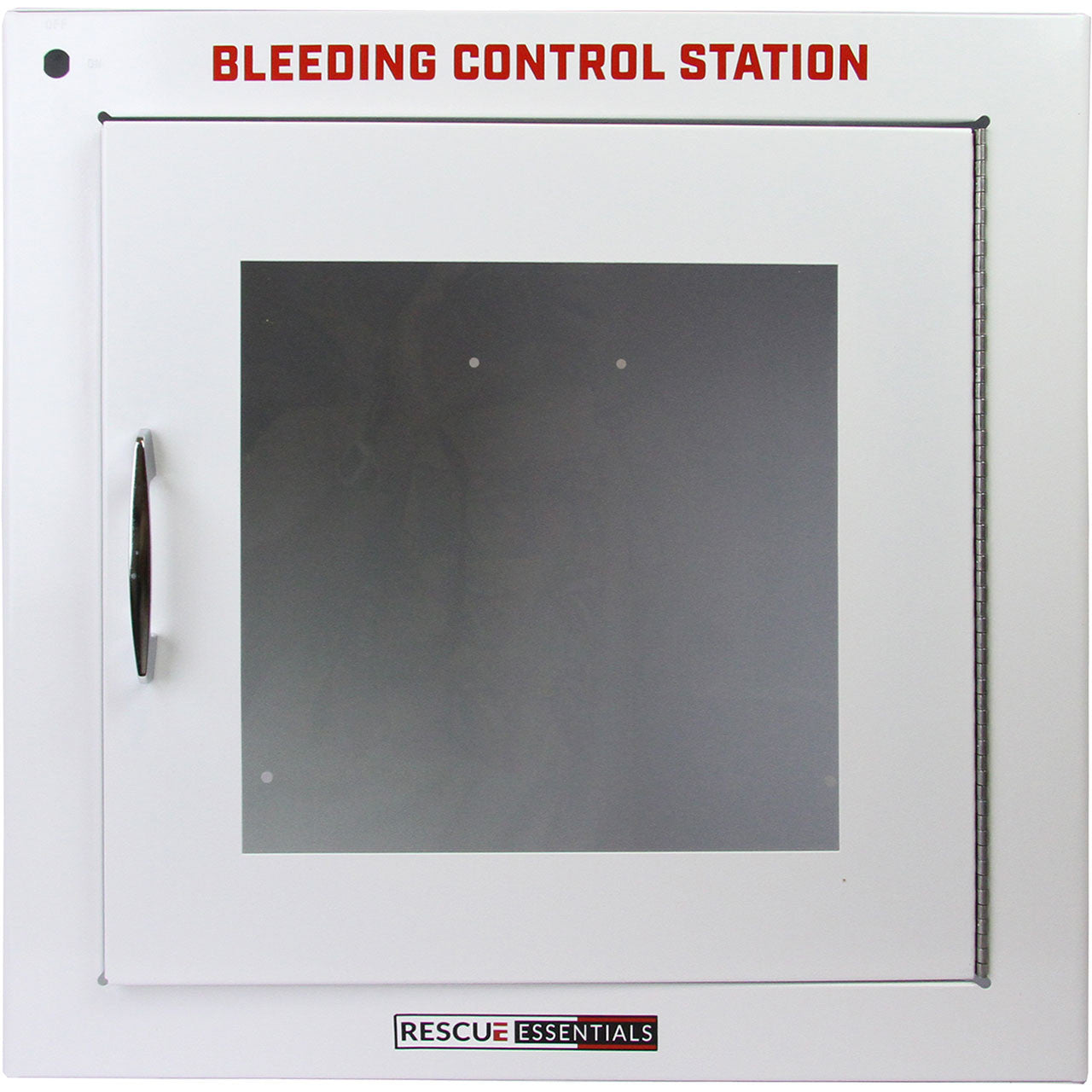
Bleeding control stations can also be positioned alongside AEDs and other emergency equipment so that people know where to look when a serious incident occurs. It’s a simple concept: make lifesaving equipment visible, accessible, and available to ordinary people before professional responders arrive.
Training and Equipment Work Together
Having a bleeding control kit is important. Knowing how to use it is even more important.
A kit should never be considered a substitute for training. Formal STOP THE BLEED® training gives participants the opportunity to learn and practice techniques such as wound packing and tourniquet application.
Training also helps overcome one of the biggest barriers to emergency response: hesitation.
When someone has never seen a tourniquet before, never practiced packing a wound, or never learned how to recognize life-threatening bleeding, an emergency can be overwhelming.
Training turns unfamiliar equipment and techniques into practiced skills.
StopTheBleed.com recommends finding an official training opportunity so people can learn the techniques and practice using bleeding control equipment before an emergency happens.

First Aid Preparedness Is Bigger Than a First Aid Kit
World First Aid Day is a good opportunity to think beyond the traditional first aid kit.
Emergency preparedness should consider the types of emergencies most likely to occur in a particular environment and whether people have the knowledge and equipment to respond.
A comprehensive emergency preparedness plan might include:
For cardiac emergencies
- CPR & AED training
-
AED access and CPR PPE
For severe bleeding
- STOP THE BLEED® training
- Access to bleeding control kits or stations which include:
- Tourniquets
- Compressed gauze
- Pressure dressings
- Hemostatic gauze when appropriate
For everyday injuries
- Traditional first aid supplies
- Gloves
- Bandages
- Wound-care supplies
- Emergency medications and other appropriate supplies
The goal isn't to turn every person into a medical professional. The goal is to make sure that when something goes wrong, someone nearby knows what to do.
This World First Aid Day, Learn One More Lifesaving Skill
You don't have to learn everything at once. If you already know CPR, learn how to use an AED or how to control severe bleeding. If you already have basic first aid training, consider taking a STOP THE BLEED® course and practicing tourniquet application and wound packing.
If your workplace, school, organization, or community already has trained responders, make sure they have immediate access to the equipment they need.
Emergencies don't wait for an ambulance. They don't wait for a doctor. They happen wherever people happen to be. That means the first responder may simply be the person standing next to the victim.
World First Aid Day is a reminder that we can all be better prepared to help.
Learn the skills. Get the equipment. Know where it is. Be ready to act.
Be Ready to STOP THE BLEED®
Explore professionally assembled STOP THE BLEED® Kits for homes, workplaces, schools, public spaces, vehicles, and emergency preparedness programs.
You can also learn more about what belongs in a bleeding control kit, compare kit configurations, and find STOP THE BLEED® training resources at StopTheBleed.com.

Share: