


Table of Contents
- The STOP THE BLEED® initiative was headed by the US DoD and has spread throughout the United States and the world, empowering everyday people with bleeding control techniques.
- What is STOP THE BLEED®?
- Find STOP THE BLEED® Training
- What Goes In STOP THE BLEED® Kits?
- How Do I Choose a Kit?
- How can I help my school, church, or workplace get STOP THE BLEED© kits?
 The STOP THE BLEED® initiative was headed by the US DoD and has spread throughout the United States and the world, empowering everyday people with bleeding control techniques.
What is STOP THE BLEED®?
STOP THE BLEED® is a national public health campaign initiated by the U.S. Department of Defense (DoD) to empower everyday people to act as immediate responders in life-threatening bleeding emergencies. The program was developed based on lessons learned from military combat care in Iraq and Afghanistan, where rapid bleeding control techniques significantly improved survival rates.
Uncontrolled bleeding is a leading cause of preventable death after trauma. A person can die from severe blood loss within minutes—often before emergency medical services arrive. STOP THE BLEED® trains individuals to recognize life-threatening bleeding and respond effectively using techniques such as applying pressure, packing wounds, and using tourniquets.
Since its inception in 2015, the campaign has trained millions worldwide, aiming to reach 200 million people in the U.S. alone. Training is available through Department of Defense-approved courses, including those offered by the American College of Surgeons and the Stop the Bleed Coalition.
To learn more about the program, access training resources, or become a certified instructor, visit the official Department of Defense STOP THE BLEED® website.
Find STOP THE BLEED® Training
This initiative is intended to empower everyday people who may be the first on the scene of a trauma (think car accidents, industrial injuries, violent acts at schools or churches) to act quickly and provide aid until professional responders arrive. Just as lay-people are frequently trained in CPR and basic first aid, bleeding control techniques can be learned by people with little to no medical background. Classes can be found all across the United States and the world - find a course near you today and be prepared. Find a course by location Find an official trainer
What Goes In STOP THE BLEED® Kits?
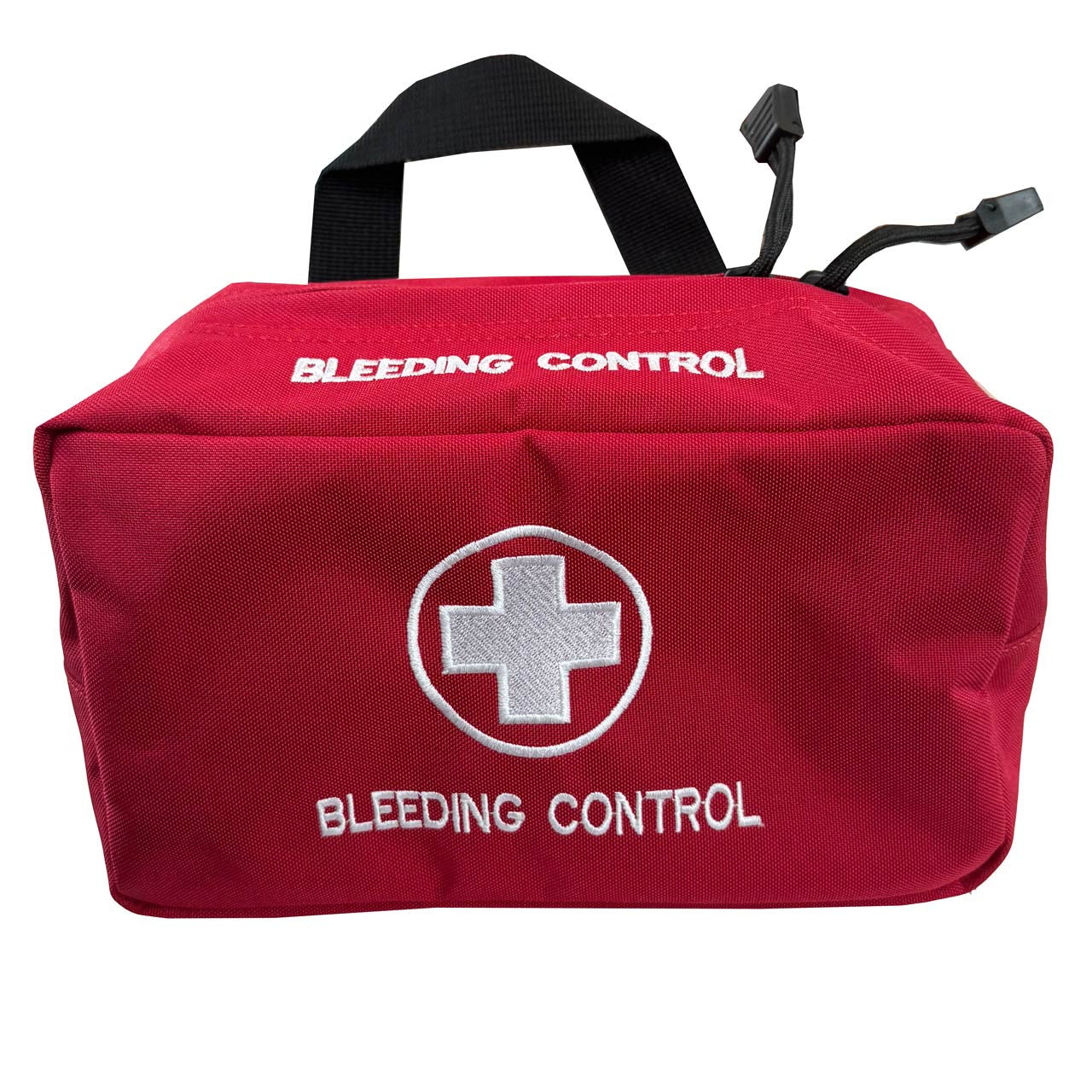
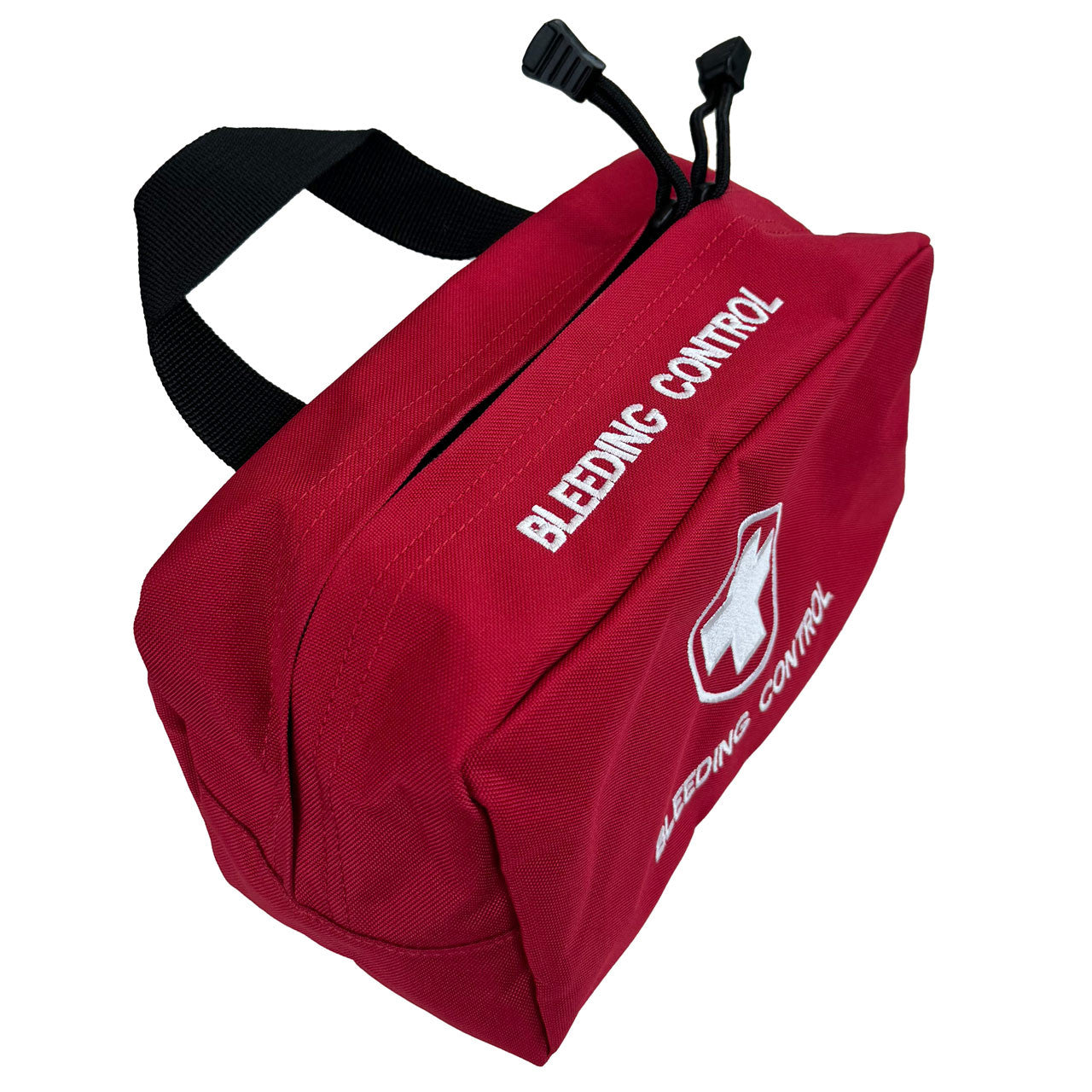
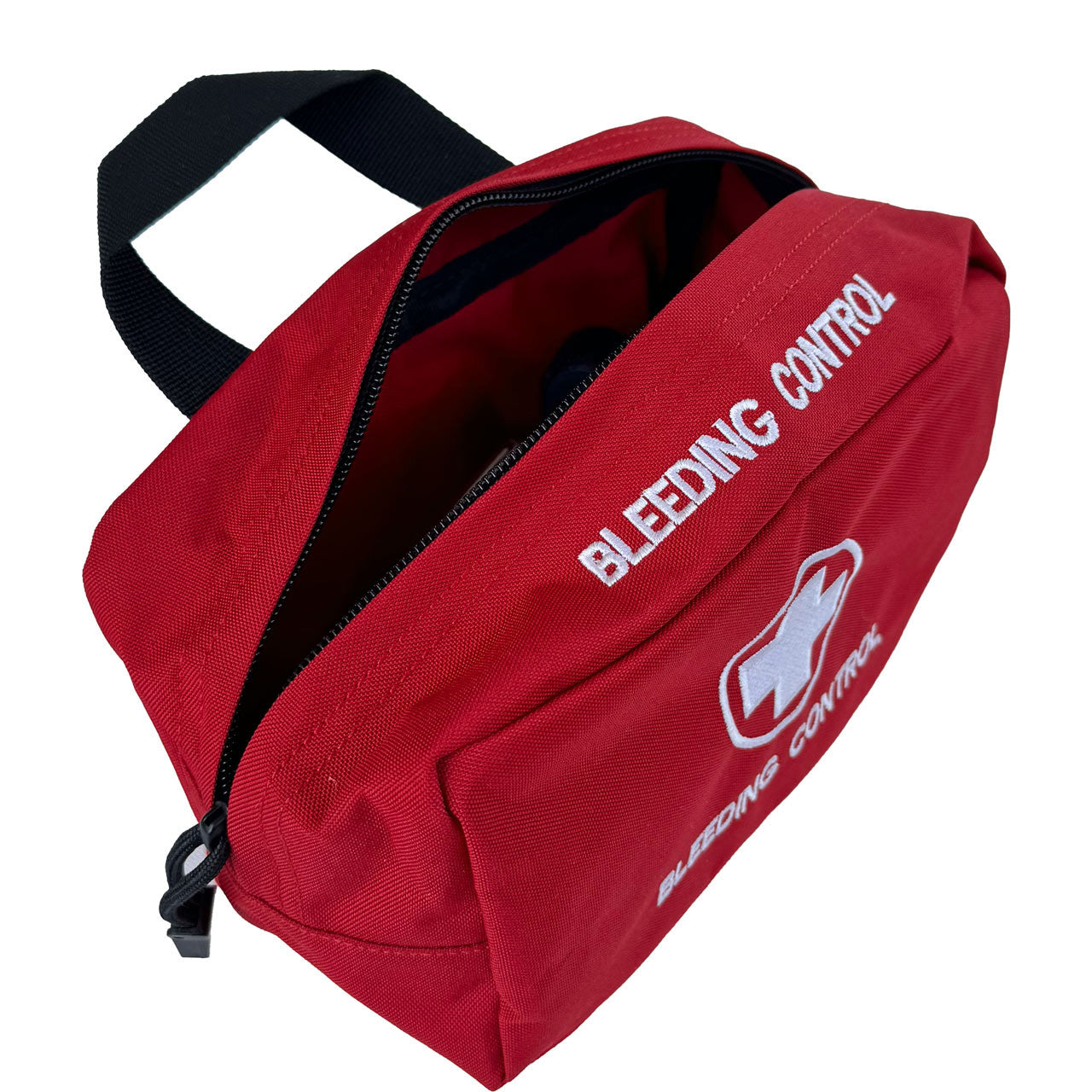
Bleeding control kits contain essential tools to quickly and effectively control bleeding. They are different than general first aid kits - they do not contain things like band-aids or over-the-counter medications. They are specifically dedicated to addressing massive hemorrhage. Some kits also contain chest seals (used for penetrating chest wounds), emergency blankets (used to prevent hypothermia which is a big concern in traumatic injuries), and hemostatic gauze (such as QuikClot, which is an impregnated gauze that can be used to help expedite the body's clotting process).
All Rescue Essentials STOP THE BLEED© kits are available in three tiers - basic, intermediate and advanced. These correspond to various state guidelines. Each kit contains all of the "basic" components - intermediate kits contain the basics plus a chest seal and emergency blanket. Advanced kits contain everything in the basic and intermediate plus hemostatic gauze.
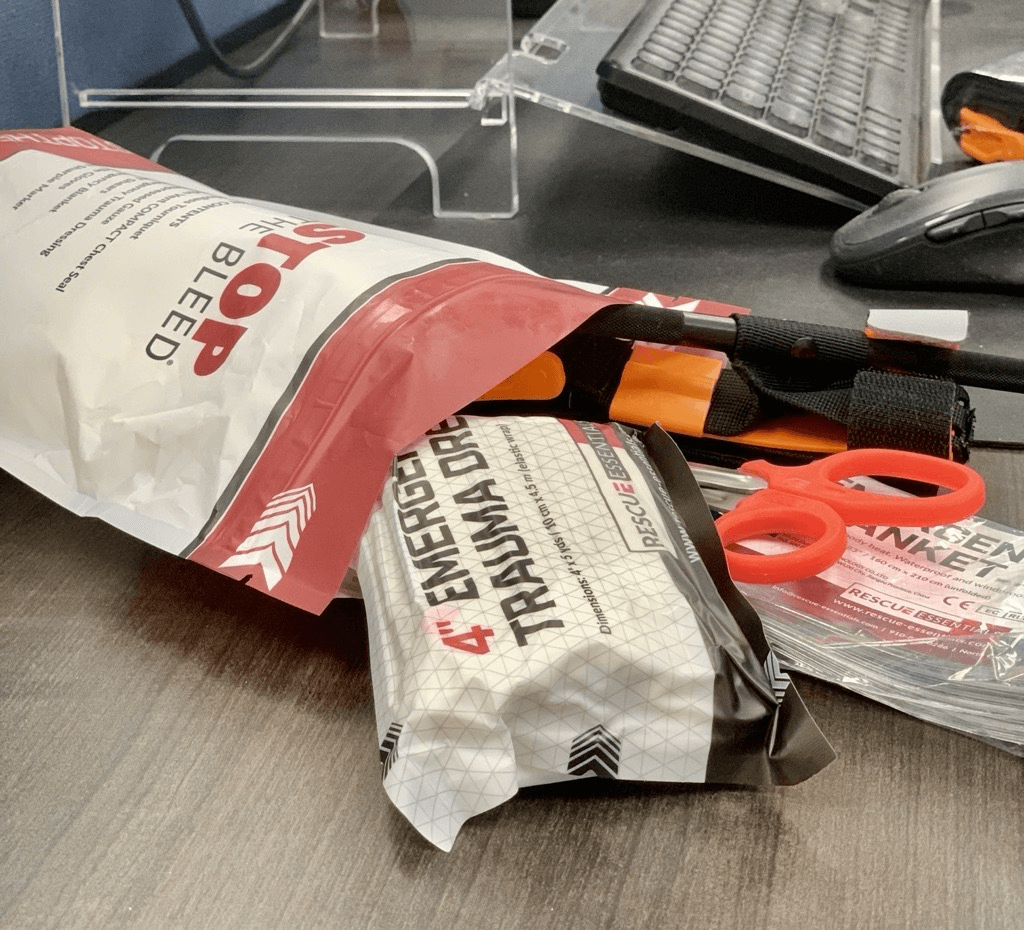
Basic Kit Components
- Windlass Tourniquet - Tourniquets have been proven as a safe and effective tool to quickly stop severe bleeding on limbs.
- Compressed Gauze - Gauze can be used to pack wounds, which creates pressure directly at the source of the bleeding. With proper training and practice, wound packing can effectively stop bleeding and can be especially effective in areas where tourniquets cannot be applied (ex. armpit or groin).
- Emergency Trauma Dressing - A pressure dressing can be used after packing a wound to help wrap the wound and keep direct pressure on the injury. This bandage is multi-purpose and could also be used for making a sling or wrapping additional non-life threatening injuries.
- Trauma Shears - Also known as EMT shears, these scissors are built to easily cut through clothing, shoes, or other material that might be impeding the responder from addressing a severe bleed.
- Mini Sharpie - Use a marker to write the tourniquet application time on the time-stamp tag, or take other notes as needed.
- Gloves - Protect yourself first! Gloves provide a barrier from any potential bloodborne pathogens that might be present.
- Bleeding Control Instructions - It is essential to get proper training and practice before you need to use any of these tools or techniques. But, in a stressful situation, these bleeding control instructions give you a general guideline and reminder on how to react on the scene.
Intermediate Kit Components
- Contains all components from the Basic Kits (listed above) are also contained in the Intermediate Kits, plus:
- Chest Seal - Chest seals are used to cover penetrating and sucking chest wounds. When the chest cavity is punctured, extra air can enter the chest cavity which puts pressure on the lungs - potentially making it hard to breathe or even collapsing a lung. Chest seals create a seal which keeps additional air from entering the chest cavity.
- Emergency Blanket - Also known as a hypothermia blanket, this can be used to cover a patient and keep them warm. Hypothermia is a serious risk for patients with traumatic injuries and should be addressed after bleeding has been controlled.
Advanced Kit Components
- Contains all components from the Basic and Intermediate Kits (listed above), plus:
- Hemostatic Gauze - Can be used in a similar fashion to the compressed gauze for packing wounds. However, hemostatic gauze (such as QuikClot or Celox) is impregnated with material that helps speed up the body's natural clotting process to help control bleeding even faster.
Shop All Bleeding Control Kits
How Do I Choose a Kit?
Some states have guidelines for what should be contained in your bleeding control kit as well as recommended densities for these kits. Other factors that should be considered when choosing a kit is what kind of training you have had or expect to have, where you will be placing these kits (in or near AED cabinets is a good rule of thumb for public access, or somewhere easily accessible in locations such as vehicles or at workstations).
Learn More About How to Choose a Kit
How can I help my school, church, or workplace get STOP THE BLEED© kits?
Rescue Essentials manufactures bleeding control and trauma kits with trusted, authentic medical components and is an authorized Product Licensee of STOP THE BLEED®, which is a registered trade-mark of the U.S. Department of Defense. With a long-trusted track record of producing high-quality kits for individuals and agencies alike, and a highly-touted customer service and sales team, Rescue Essentials is an easy and dependable partner. From choosing kits, to finding training, or exploring grant opportunities to fund your STOP THE BLEED® project - we are here to assist you.
Share:
AirBase - The Multi-purpose Inflatable Insulation Pad